On August 30, 2024, the Peking University-Jilin University Northeast Asia Forum (2024) was held in the conference room of the School of International Studies, Peking University. Co-hosted by the Northeast Asian Studies College of Jilin University and the Asia-Pacific Research Institute of Peking University, the forum was themed Changes in Major Power Relations and the Northeast Asian Situation. A total of 20 scholars from the School of International Studies, School of Economics, School of Foreign Languages, and Department of History of Peking University, as well as the Northeast Asian Studies College and Northeast Asian Research Center of Jilin University, conducted in-depth academic exchanges and discussions around three major topics: changes in major power relations, Northeast Asia against the backdrop of shifting major power relations, and state relations and economic cooperation in Northeast Asia.
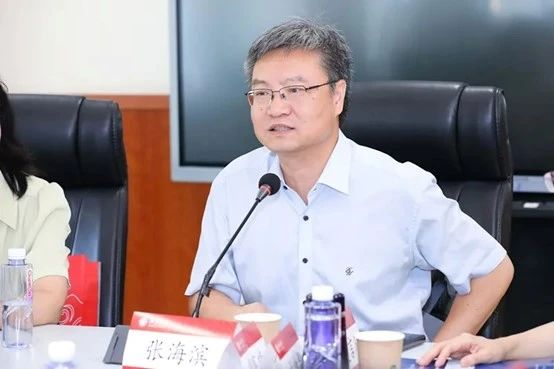
The opening ceremony of the forum was presided over by Professor Li Hanmei, Director of the Asia-Pacific Research Institute of Peking University. Professor Zhang Haibin, Vice Dean of the School of International Studies of Peking University, and Professor Zhang Huizhi, Deputy Director of the Northeast Asian Research Center of Jilin University, delivered opening speeches respectively.
In his speech, Professor Zhang Haibin stated that regional and country studies are a core priority of Peking University’s new-round“Double First-Class”discipline development. The PKU-JLU Northeast Asia Forum provides scholars from both universities with a platform for multi-dimensional, interdisciplinary and cutting-edge research in regional and country studies. Amid the increasingly complex international situation, the holding of the forum is of great practical significance. He extended a warm welcome to experts and scholars from Jilin University and wished the forum a complete success.

Professor Zhang Huizhi noted that the PKU-JLU Northeast Asia Forum has a 15-year history since its launch in 2009. Evolving from initial discussions on Korean Peninsula issues to current studies on new trends of major power competition, the forum has served as a vital academic platform for scholars to analyze regional situational changes. She expressed gratitude to the organizer, the Asia-Pacific Research Institute of Peking University, and looked forward to future in-depth exchanges and cooperation between the two institutions.
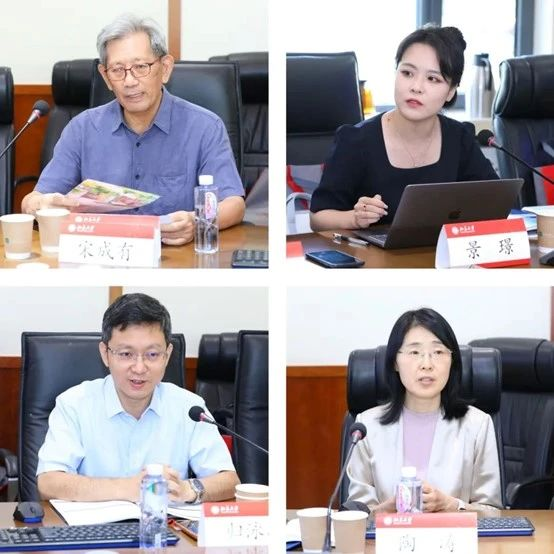
The first session was chaired by Professor Zhang Xiaoming, Deputy Director of the Asia-Pacific Research Institute and Professor of the School of International Studies, Peking University. Four scholars delivered keynote speeches: Professor Song Chengyou from the Department of History of Peking University, who proposed a“tripartite balance theory”for observing East Asian multilateral relations; Professor Jing Jing from the Northeast Asian Studies College of Jilin University, who interpreted the spatial logic and competitiveness shaping in major power relations; Professor Gui Yongtao from the School of International Studies of Peking University, who analyzed the fiction and reality of global decoupling trends; and Professor Tao Tao from the School of Economics of Peking University, who discussed challenges and countermeasures for China’s semiconductor technology governance amid major power competition. Their speeches illustrated multiple dimensions of major power relations and competition, reflecting the restructuring of regional order in Northeast Asia. Centering on the presentations, Professor Xu Bo from the Northeast Asian Studies College of Jilin University, Professor Yu Tiejun from the School of International Studies of Peking University, and Professor Li Tingting from the School of Foreign Languages of Peking University conducted in-depth comments and discussions.
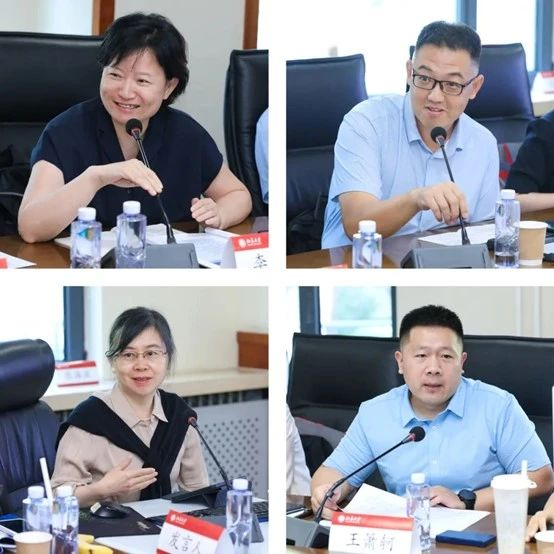
The second session was presided over by Professor Li Hanmei, Director of the Asia-Pacific Research Institute and Professor of the School of International Studies, Peking University. Four scholars shared their research findings: Professor Li Tianzi and Professor Xu Bo from the Northeast Asian Studies College of Jilin University, who analyzed Russia’s countermeasures and effects against economic sanctions in the digital economy era and the transformation logic of Russia’s Arctic policy amid the Russia-Ukraine conflict respectively; Professor Wang Hao from the School of Foreign Languages of Peking University, who sorted out the characteristics of Mongolia’s 2024 parliamentary election and its foreign policy trends; and Professor Wang Xiaoke from the Northeast Asian Studies College of Jilin University, who explored the strategic considerations of China’s policy toward the Republic of Korea amid China-U.S. competition. The discussions focused on policy choices of Northeast Asian countries amid drastic shifts in major power relations and revealed the interactive linkage between domestic politics and foreign diplomacy of regional states. Professor Zhang Xiaoming from the School of International Studies of Peking University, Professor Zhang Huizhi from the Northeast Asian Research Center of Jilin University, and Professor Guan Guihai from the School of International Studies of Peking University delivered comprehensive comments and engaged in interactive discussions.
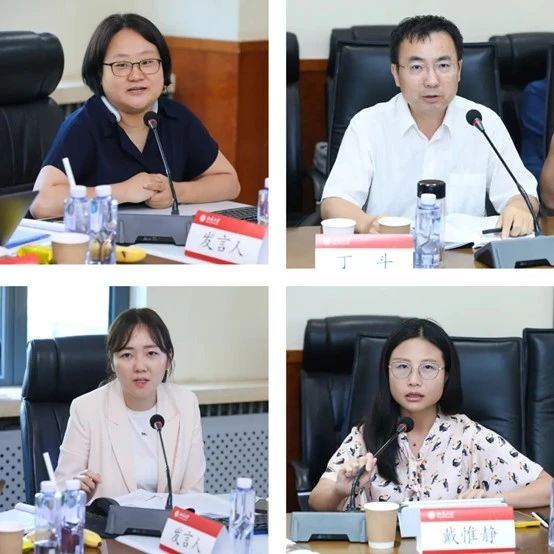
The third session was chaired by Professor Zhang Huizhi, Deputy Director of the Northeast Asian Research Center of Jilin University. Four scholars delivered thematic reports: Professor Xuan Chunji from the Northeast Asian Studies College of Jilin University, who analyzed the trends and prospects of DPRK-Russia economic cooperation since the outbreak of the Russia-Ukraine conflict; Professor Ding Dou from the School of International Studies of Peking University, who studied the reversal of China-ROK trade balance and the transformation of bilateral trade structure; Associate Professor Jin Xiangdan from the Northeast Asian Studies College of Jilin University, who discussed supply chain adjustments in Japan and the ROK and future China-Japan-ROK cooperation; and Professor Dai Weijing from the School of International Studies of Peking University, who explored new changes in DPRK-Russia relations from historical and comparative perspectives. The speeches elaborated on evolving state relations and prospects of economic cooperation in Northeast Asia under the new landscape. Professor Li Tianzi and Professor Wang Xiaoke from the Northeast Asian Studies College of Jilin University, and Professor Song Wenzhi from the School of Foreign Languages of Peking University provided professional comments and led in-depth academic discussions.
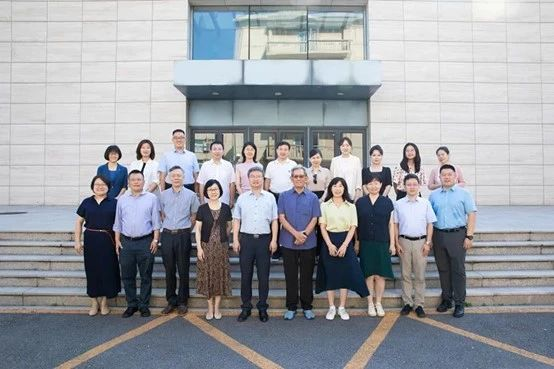
The closing ceremony was presided over by Professor Zhang Xiaoming, Deputy Director of the Asia-Pacific Research Institute of Peking University. Professor Zhang Huizhi, Deputy Director of the Northeast Asian Research Center of Jilin University, and Professor Li Hanmei, Director of the Asia-Pacific Research Institute of Peking University, delivered concluding remarks respectively. Both scholars spoke highly of the forum, pointing out that the rapidly changing Northeast Asian situation requires continuous academic attention. The forum offered a valuable opportunity for scholars to capture new dynamics, exchange latest insights and share cutting-edge research achievements. Finally, Professor Li Hanmei thanked all participating experts and scholars and expressed sincere expectations for the next session of the forum to be held at Jilin University. The 2024 Peking University-Jilin University Northeast Asia Forum concluded successfully.