On December 8, 2023, the special lecture themed Concepts and Changes of Elderly Welfare in Japan, part of the High-Level Forum on Northeast Asian Country and Regional Studies, was successfully held at Jilin University. Co-organized by the Key Research Base of Humanities and Social Sciences of the Ministry of Education—Northeast Asian Research Center, the Institute of Japanese Studies, the Northeast Asian Studies College, the Northeast Asian Research Institute of Jilin University, and the Northeast Asian Regional Research Committee of the International Cultural Exchange Academic Alliance, the lecture was delivered by Professor Yamato Mie from Kwansei Gakuin University, Japan, and presided over by Associate Professor Wang Yanjun, Vice Dean of the Northeast Asian Studies College. More than 30 graduate students majoring in demography and other interested students attended the event both offline and online.
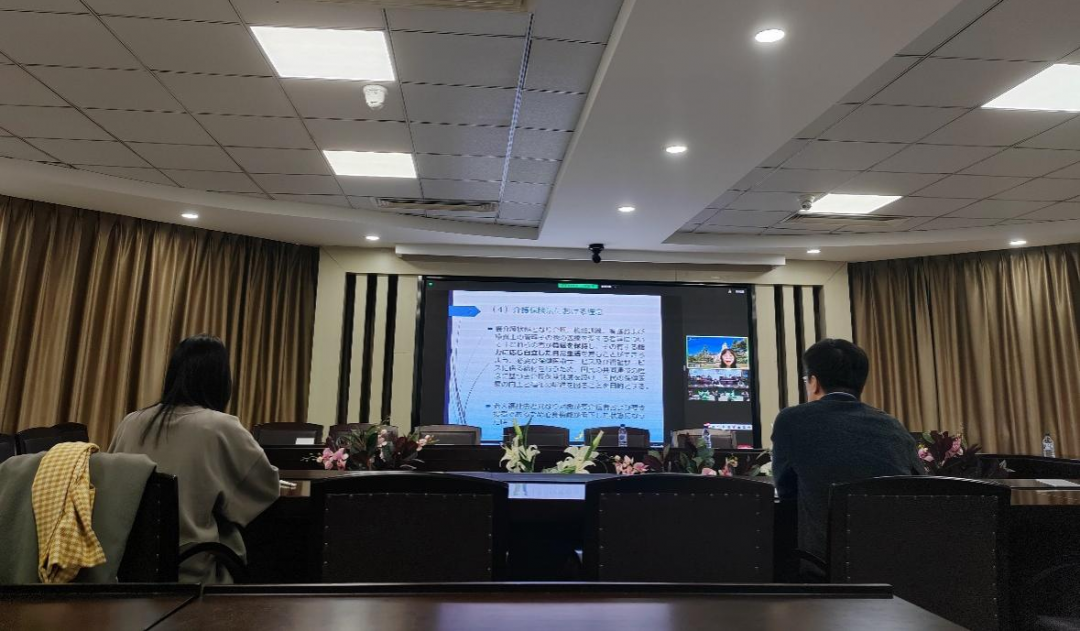
Professor Yamato Mie is a faculty member of the School of Human Welfare, Kwansei Gakuin University. She has previously served as Dean of the School of Human Welfare and Director of the Graduate School of Human Welfare Studies at Kwansei Gakuin University. Her main research fields cover elderly welfare, long-term care insurance, and social welfare non-profit organizations.
Professor Yamato Mie’s lecture consisted of three major parts. In the first part, by referring to Japan’s Elderly Welfare Act and Long-Term Care Insurance Act, she illustrated the evolutionary changes in domestic concepts of elderly welfare in Japan, emphasizing that the formulation and implementation of elderly welfare policies should fully respect the perspectives and actual needs of the elderly population.In the second part, under the theme of active aging, the professor analyzed the public understanding and social cognition of the elderly group in Japanese society. She interacted with students through questionnaires on elderly-related social issues and further elaborated on age discrimination in contemporary society. She proposed that the whole society should comprehensively and objectively understand the living conditions and health status of the elderly, embrace the concept of active aging, and jointly address various social challenges brought by population aging.In the third part, Professor Yamato reviewed the evolutionary process of Japan’s elderly welfare system, pointing out that Japan’s elderly policies are highly consistent with the elderly development guidelines advocated by the United Nations. She finally stressed that China, Japan and the Republic of Korea are all facing severe population aging challenges, and the three countries should learn from each other’s experience and strengthen pragmatic cooperation in related fields. During the Q&A session, students conducted in-depth exchanges with Professor Yamato on practical issues including how Japan copes with the medical and fiscal expenditure pressures brought by the long-term care insurance system.
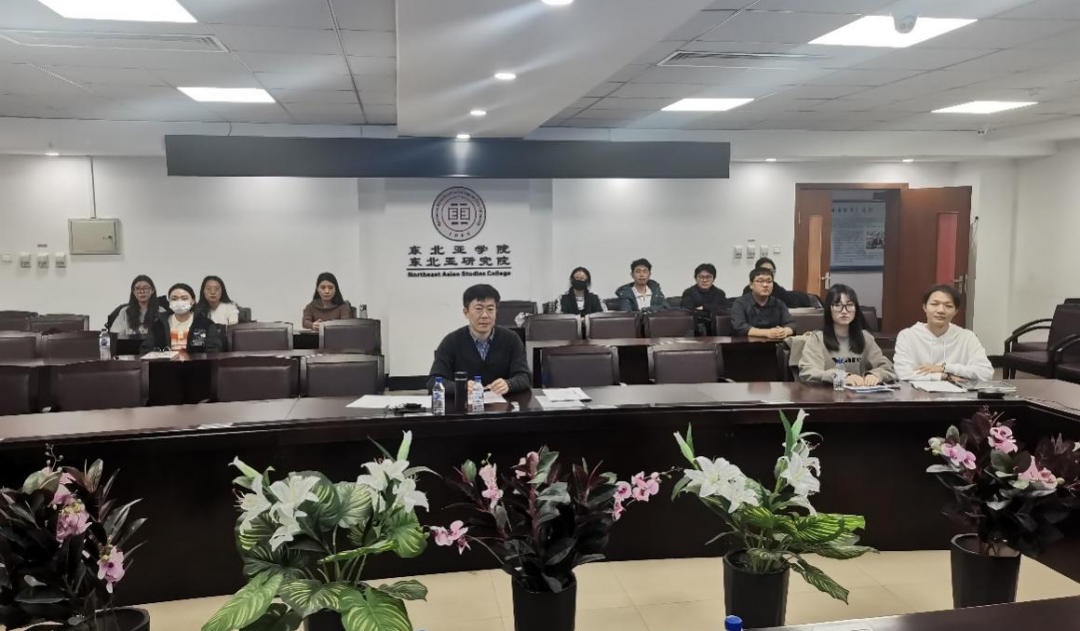
At the end of the lecture, Vice Dean Wang Yanjun delivered a summary speech. He highlighted three core viewpoints worthy of in-depth study: attaching importance to the independent needs of the elderly group, comprehensively and objectively understanding the living and health conditions of the elderly, and advocating the concept of active aging. He expressed sincere gratitude to Professor Yamato Mie for her wonderful sharing. He noted that the lecture effectively enriched students’professional knowledge of elderly welfare and greatly stimulated their enthusiasm for further academic learning and research in relevant fields.