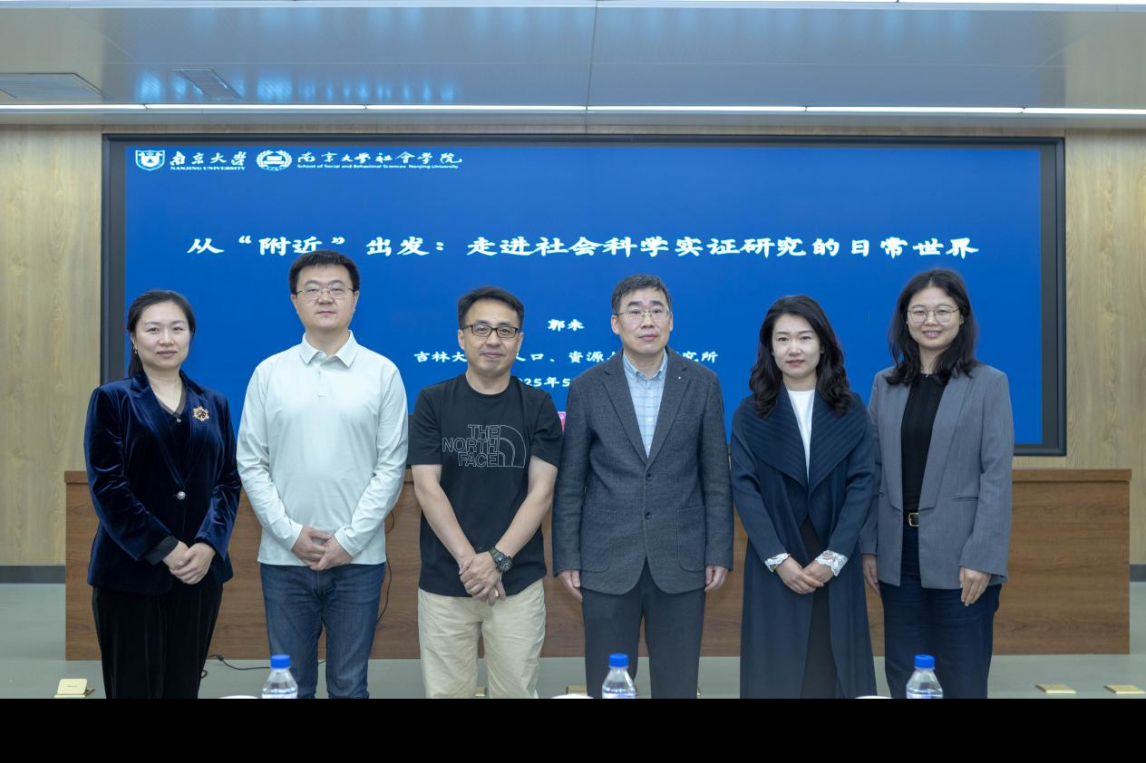
On May 23, 2025, the academic lecture titled Starting from the“Nearby”: Entering the Everyday World of Empirical Social Science Research was held in Conference Room B215 of Dongrong Building. Co-organized by the Northeast Asian Research Center, the Institute of Population, Resources and Environment, the China Center for Population Aging and Socioeconomic Development, and the editorial department of Population Journal of Jilin University, the lecture invited Professor Guo Wei, Vice Dean and Doctoral Supervisor of the School of Social and Behavioral Sciences at Nanjing University, recipient of national high-level youth talent program and chief expert of the Key Research Project in Philosophy and Social Sciences of the Ministry of Education, to deliver the keynote speech. More than 50 teachers and students from the School of Northeast Asian Studies and the School of Philosophy and Social Sciences of Jilin University attended the event. The lecture was hosted by Professor Xu Shicun, Deputy Director of the Institute of Population, Resources and Environment.
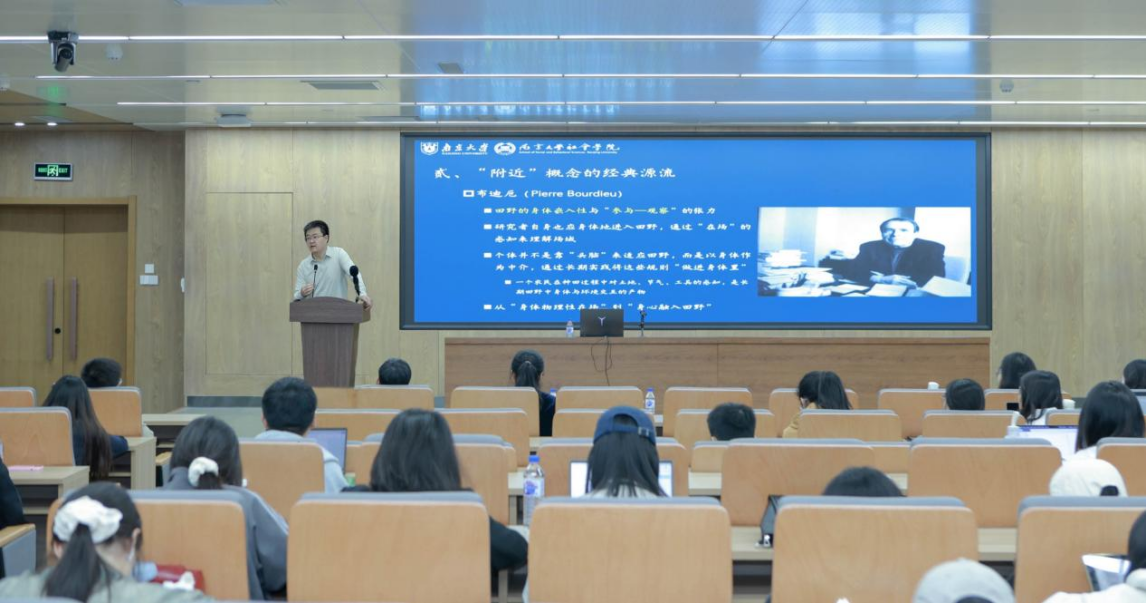
Starting from the viewpoint that social science research should proceed from the“nearby”, Professor Guo Wei pointed out that cutting-edge social science research increasingly connects localized practical issues with macro-level values, embodying profound local and regional implications. He emphasized that researchers must closely align with real situations and research objects, actively engage in fieldwork, and achieve interpretative understanding of the“nearby world”. He further proposed linking daily life with academic research through three dimensions of distance—spatial distance, experiential distance and cognitive distance—so as to effectively integrate“the nearby”and“the distant”in social science studies.
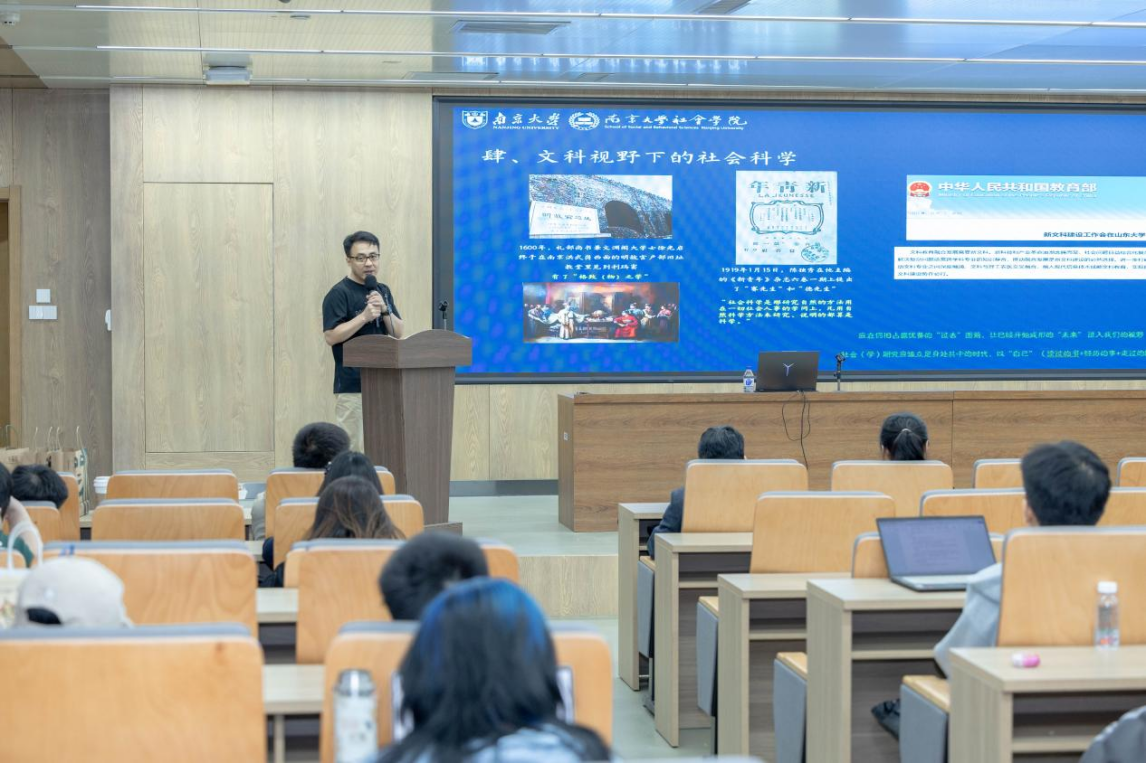
Professor Guo Wei noted that social science research within the humanities framework features both the humanistic romantic tradition rooted in Chinese culture and the objectivity of representing social realities beyond individual perception. He summarized three mainstream research paradigms in contemporary social sciences, namely positivism, critical theory and constructivism. In terms of research topic selection, he advocated conducting in-depth research on core issues concerning Chinese modernization, including low fertility rates, population aging and rural hollowing, based on localized perspectives and focusing on population, environment, technology and social governance.
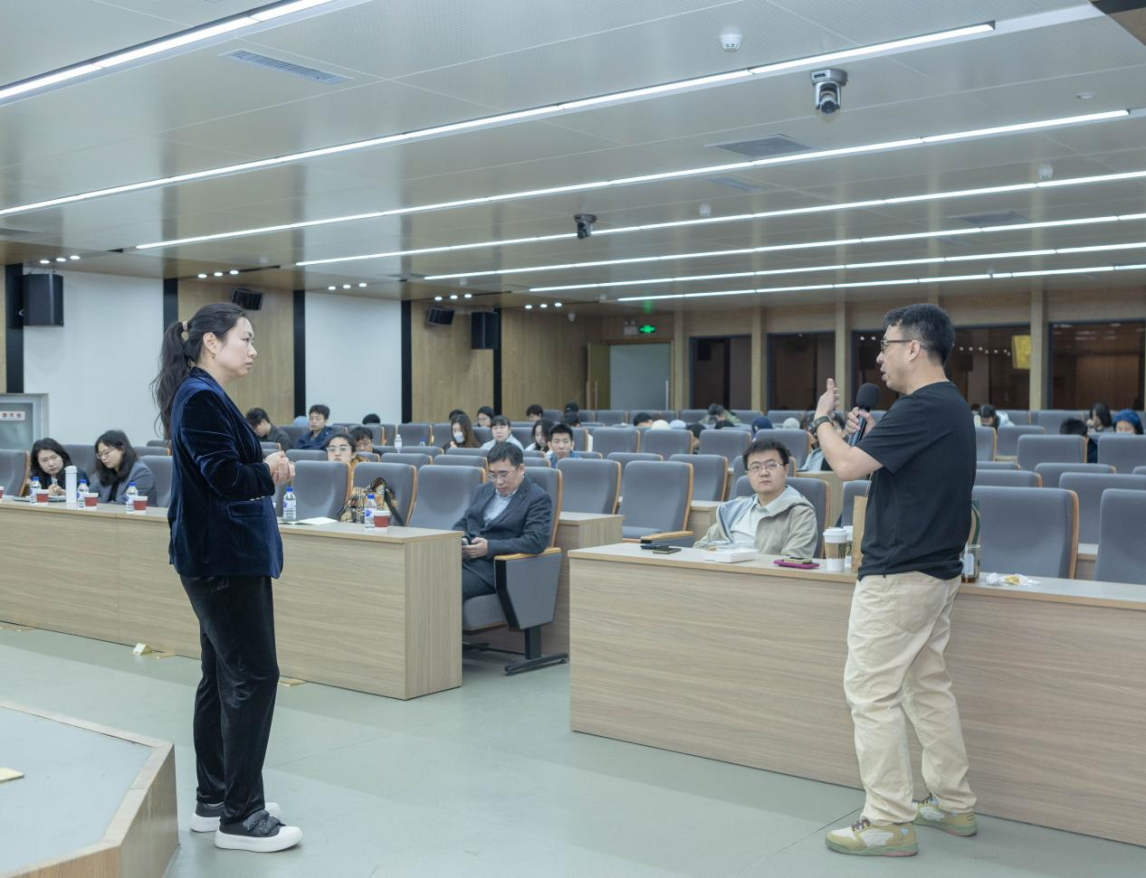
During the interactive session, teachers and students conducted enthusiastic discussions with Professor Guo Wei on topics including the integration of art therapy into the mental health care of rural elderly from a sociological perspective, and the application of ambiguous sociological concepts in demographic research. At the end of the lecture, Professor Wang Xiaofeng, Director of the Institute of Population, Resources and Environment, delivered comments and summaries.
The lecture inspired teachers and students in research orientation selection and deepened their understanding of integrating theory with practice through the“nearby”research perspective. It clarified that valuable social science research requires solid literature review and on-site practical investigation grounded in real-life contexts. By incorporating historical and humanistic perspectives, the research approach effectively bridges the gap between empirical results and academic conclusions, and offers significant insights for balancing qualitative and quantitative analysis in social science research.


 位访问本站的人。