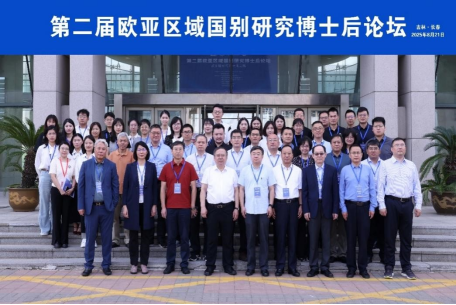
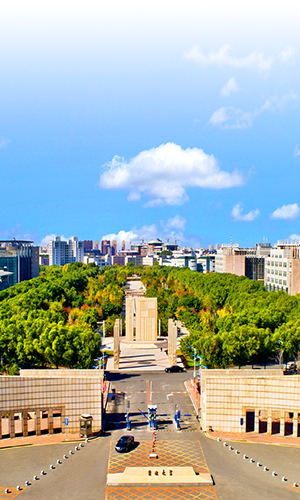
The 2nd Eurasian Regional and Country Studies Postdoctoral Forum was held at Jilin University from August 21 to 22, 2025. Co-sponsored by the Institute of Russian, Eastern European and Central Asian Studies of the Chinese Academy of Social Sciences and the Northeast Asian Research Institute of Jilin University, the forum took Modernization Paths of Eurasian Countries as its theme. A total of 60 experts, scholars, postdoctoral researchers and doctoral students from more than ten institutions including the Chinese Academy of Social Sciences, Tsinghua University, Peking University, China Foreign Affairs University, Beijing Normal University, Southwest University of Political Science and Law, Beijing International Studies University, Tianjin University, Inner Mongolia University and Jilin University attended the event. The opening ceremony was presided over by Researcher Pang Dapeng, Deputy Director of the Institute of Russian, Eastern European and Central Asian Studies, CASS. Researcher Sun Zhuangzhi, Director of the institute, and Professor Han Xiping, Deputy Party Secretary of Jilin University, delivered opening remarks respectively.
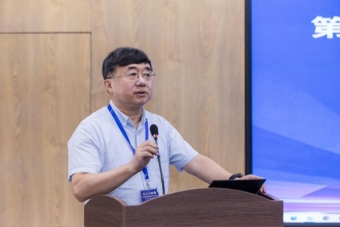
In his speech, Sun Zhuangzhi stated that the forum is designed to advance Eurasian regional studies, foster young academic talents, promote academic exchanges and build consensus. Centering on modernization paths of Eurasian countries, the forum discusses challenges in politics, economy, diplomacy, society and culture during the modernization process. It aims to pool collective wisdom for the joint modernization of China and Eurasian countries, and drive the development of domestic Eurasian studies and the discipline of regional and country studies.
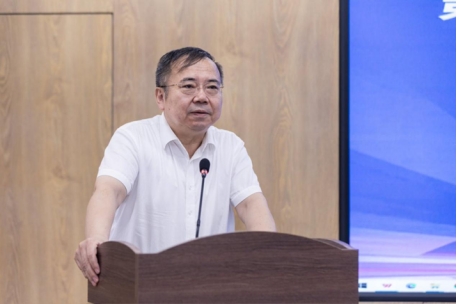
Han Xiping extended gratitude to all participating experts and young scholars. He noted that the forum focusing on Eurasian modernization serves to advance regional and country studies and meet national strategic needs. Jilin University has long engaged in Northeast Asian regional studies with solid disciplinary foundations and a sound talent training system. He hoped all participants could conduct in-depth exchanges, share insights and contribute to China’s neighborhood diplomacy and regional cooperation, and wished the forum a great success.
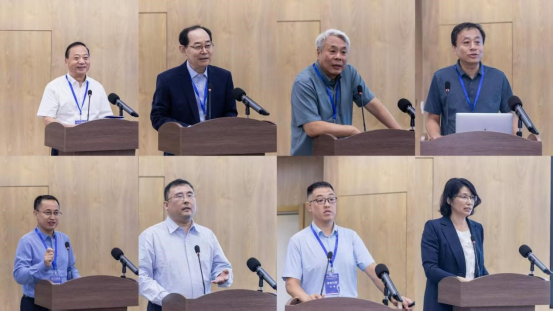
The keynote speeches were hosted respectively by Professor Wu Hao, Dean of the Northeast Asian Research Institute of Jilin University, and Researcher Li Zhenli, Deputy Director of the Institute of Russian, Eastern European and Central Asian Studies, CASS. Researcher Wang Lincong, Professor Ba Dianjun (Deputy Director of the Northeast Asian Research Center, Jilin University), Researcher Li Zhonghai (Director of the Editorial Department of the Institute of Russian, Eastern European and Central Asian Studies, CASS), Researcher Pang Dapeng, Professor Xu Bo (Director of the Institute of Russian Studies, Jilin University) and Researcher Dong Xiangrong (Director of the Asia-Pacific Political Research Office, National Institute of International Strategy, CASS) delivered keynote presentations in sequence.
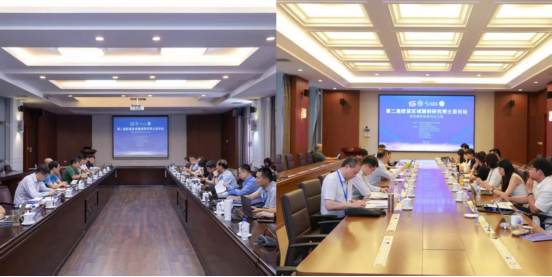
Seven thematic sessions were arranged for panel discussions, namely Governance Models in the Modernization of Eurasian Countries, Economic Development Paths in the Modernization of Eurasian Countries, Energy Strategies in the Modernization of Eurasian Countries, Historical Memory and National Identity, Interactions between Europe and Eurasian Countries, Foreign Relations of Eurasian Countries, and Regional Cooperation and China’s Neighborhood Diplomacy. Twenty-four young scholars presented papers around these topics, and many distinguished experts offered thorough comments and engaged in in-depth discussions on their speeches and papers.
Guided by Xi Jinping Thought on Socialism with Chinese Characteristics for a New Era and the spirit of the Central Conference on Neighborhood Affairs, the forum strives to build an interdisciplinary exchange platform for regional and country studies. It supports the growth of young scholars and boosts high-quality research on major theoretical and practical issues concerning the modernization of Eurasian countries. The forum has won unanimous recognition from all participants, especially young scholars.